%2Ffit-in%2F250x250%2Fguide_websites%2F119256%2Fimages%2F1770870184857chatgptimagefeb12202612_00_51pm.png&w=1920&q=100)
/users/cd69a593-7f0d-4648-9fed-f735cc977754/ratecard/5-mlixlu30.jpg)
%2F300x300%2Fusers%2Fcd69a593-7f0d-4648-9fed-f735cc977754%2Fratecard%2F5-mlixlu30.jpg&w=256&q=75)
%2F300x300%2Fusers%2Fcd69a593-7f0d-4648-9fed-f735cc977754%2Fimages%2Ffishing-frenzy-washington-2718.jpg&w=256&q=75)
%2F300x300%2Fusers%2Fcd69a593-7f0d-4648-9fed-f735cc977754%2Fimages%2Fpacific-halibut-fishing-wa-2688.jpg&w=256&q=75)
%2F300x300%2Fusers%2Fcd69a593-7f0d-4648-9fed-f735cc977754%2Fimages%2Fpacific-halibut-fishing-wa-2755.jpg&w=256&q=75)
%2F300x300%2Fusers%2Fcd69a593-7f0d-4648-9fed-f735cc977754%2Fimages%2Ffishing-neah-bay-2700.jpg&w=256&q=75)
%2F300x300%2Fusers%2Fcd69a593-7f0d-4648-9fed-f735cc977754%2Fimages%2Ffishing-adventure-wa-2742.jpg&w=256&q=75)
%2F300x300%2Fusers%2Fcd69a593-7f0d-4648-9fed-f735cc977754%2Fimages%2Fchinook-salmon-neah-bay-fishing-2798.jpg&w=256&q=75)
%2F300x300%2Fusers%2Fcd69a593-7f0d-4648-9fed-f735cc977754%2Fimages%2Fbest-great-fishing-wa-2738.jpg&w=256&q=75)
%2F300x300%2Fusers%2Fcd69a593-7f0d-4648-9fed-f735cc977754%2Fimages%2Ffishing-wa-adventure-2498.png&w=256&q=75)
%2F300x300%2Fusers%2Fcd69a593-7f0d-4648-9fed-f735cc977754%2Fimages%2Fbest-catch-wa-2697.png&w=256&q=75)
%2F300x300%2Fusers%2Fcd69a593-7f0d-4648-9fed-f735cc977754%2Fimages%2Ffishing-adventure-neah-bay-2630.png&w=256&q=75)
Family Halibut Fishing Neah Bay Ripple Effects
 Neah Bay, WA
What you will be catching:
 Lingcod
 Pacific Halibut
- This full-day halibut and lingcod charter out of Neah Bay is built specifically for families who want to experience deep sea fishing together. We run morning trips during the prime halibut seasons
- May through June and again from August 18th through September
- when the fishing is at its best. Using trolling and bottom fishing techniques, we target these powerful fish in the productive waters off the Olympic Peninsula. The boat accommodates up to six people, starting at $1000 for two guests with additional spots at $500 per person. Patient instruction is provided for all skill levels, making this perfect for introducing kids to saltwater fishing. Morning departures take advantage of calmer seas and active feeding windows that work well for family groups.
Trip Pricing and Availabilities:
Neah Bay Halibut and Lingcod Charter for Families
When you're looking for a fishing trip that works for everyone in the family, this full-day halibut and lingcod charter out of Neah Bay hits all the right notes. We're talking about some of the best bottom fishing on the Washington coast, with patient instruction for kids and adults who might be new to the game. The morning departure keeps things comfortable with calmer seas, and the targeted approach means you're fishing prime halibut and lingcod spots when they're most active. At $1000 for two people with room to add up to six total guests at $500 each, it's a solid value for a full day on productive waters. Just remember to grab your fishing licenses before we head out – that's a must-have for everyone aboard.
What to Expect on the Water
This trip runs during the prime halibut seasons – May through June and then again from August 18 through September when the season reopens. The morning schedule isn't just about comfort, though that's a nice bonus. Early departures put you on the fishing grounds when halibut are actively feeding and before afternoon winds can kick up the seas. We're targeting structure and ledges where both halibut and lingcod like to hang out, usually in 80 to 200 feet of water depending on conditions and what the fish are telling us. The pace is relaxed but productive – perfect for families where some folks might be new to saltwater fishing while others are looking to land their personal best. Kids especially love the action once we get into the lingcod, since they tend to bite aggressively and put up a solid fight without the waiting game that sometimes comes with halibut fishing.
Techniques & Tackle
We'll be using a combination of trolling and bottom fishing techniques depending on what's working best that day. For halibut, we're typically dropping heavy jigs and fresh bait down to the bottom, working ledges and drop-offs where these flatfish cruise looking for meals. Lingcod fishing involves both trolling large spoons and plugs near structure, plus vertical jigging with heavy metal jigs that mimic injured baitfish. The gear is sized for the fish we're after – medium to heavy action rods with enough backbone to handle a barn door halibut or a aggressive lingcod that wants to head straight back to the rocks. Don't worry about bringing your own setup unless you want to – we've got everything covered including tackle, bait, and backup gear. The instruction part is key here since proper technique makes all the difference between going home with fish stories and going home with fish. We'll walk everyone through reading the sonar, feeling the bite, and fighting these powerful bottom dwellers the right way.
Species You'll Want to Hook
Pacific halibut are the main draw here, and for good reason. These flatfish can range from "chicken" halibut around 10-15 pounds that are perfect for the dinner table, all the way up to barn doors pushing 100 pounds or more that'll test your tackle and your stamina. Halibut are ambush predators that bury themselves in sand and mud, waiting for prey to swim overhead before striking with surprising speed for such a large fish. The best action typically happens in 100-200 feet of water around structure changes where currents bring baitfish within striking distance. What makes halibut so exciting is that you never know what size is on the other end of the line until you get it to the surface – that 20-pound fish could turn out to be a 60-pounder that just wasn't fighting hard at first. Plus, halibut are fantastic eating with firm white meat that's perfect for everything from fish and chips to grilling steaks.
Lingcod round out the target species list and they're absolute favorites with families because of their aggressive nature and unique appearance. These bottom dwellers can reach 30-40 pounds in local waters, with their massive mouths full of sharp teeth giving them a prehistoric look that kids find fascinating. Unlike halibut, lingcod are active predators that will chase lures and attack with authority – no subtle nibbling here. They're ambush hunters that hide in rocky areas and kelp beds, darting out to grab anything that looks like an easy meal. The fight is different from halibut too, with powerful head shakes and determined runs back toward structure. Lingcod meat is excellent table fare with a slightly firmer texture than halibut, and the smaller ones in the 5-15 pound range are perfect for families looking to fill the cooler. The season timing works perfectly with halibut, so you're targeting both species during their most active periods when feeding behavior is predictable and productive.
Time to Book Your Spot
This family-focused halibut and lingcod charter offers exactly what most folks are looking for in a Neah Bay fishing trip – productive fishing, patient instruction, and a schedule that works for all ages. The morning departure keeps seasickness to a minimum while putting you on prime fishing grounds during peak feeding times. With space for up to six guests and pricing that makes sense for families, it's a top-rated option for groups wanting to experience world-class Pacific Northwest bottom fishing. The combination of halibut and lingcod keeps the action varied and exciting, whether you're after trophy fish or filling the freezer with some of the best eating fish in these waters. Remember that deposits are non-refundable, so make sure your dates work before booking. Don't wait too long during prime season – these productive morning slots fill up fast with repeat customers who know good fishing when they find it.
Learn more about the animals
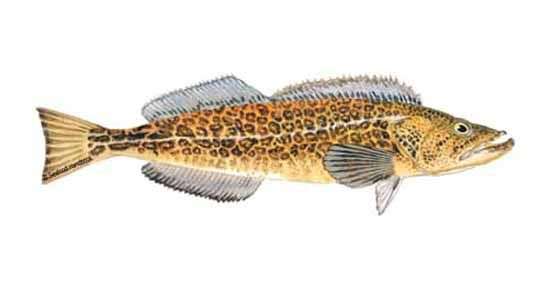
Lingcod
Lingcod might look like something from a nightmare with their massive teeth and mottled green coloring, but they're one of our most reliable targets around Neah Bay's rocky structure. Despite the name, they're actually greenlings, not true cod. These ambush predators hang out in 30-300 feet around rocky reefs and kelp beds, rarely moving far from home. Females grow much larger than males - we regularly see fish over 20 pounds. They're scrappy fighters that don't give up easy, and the white, flaky meat is excellent eating. Best part? They bite year-round and aren't picky about bait. My go-to tip is to fish right on the bottom with metal jigs - bounce it once or twice near the rocks and hang on. They'll grab almost anything that moves.
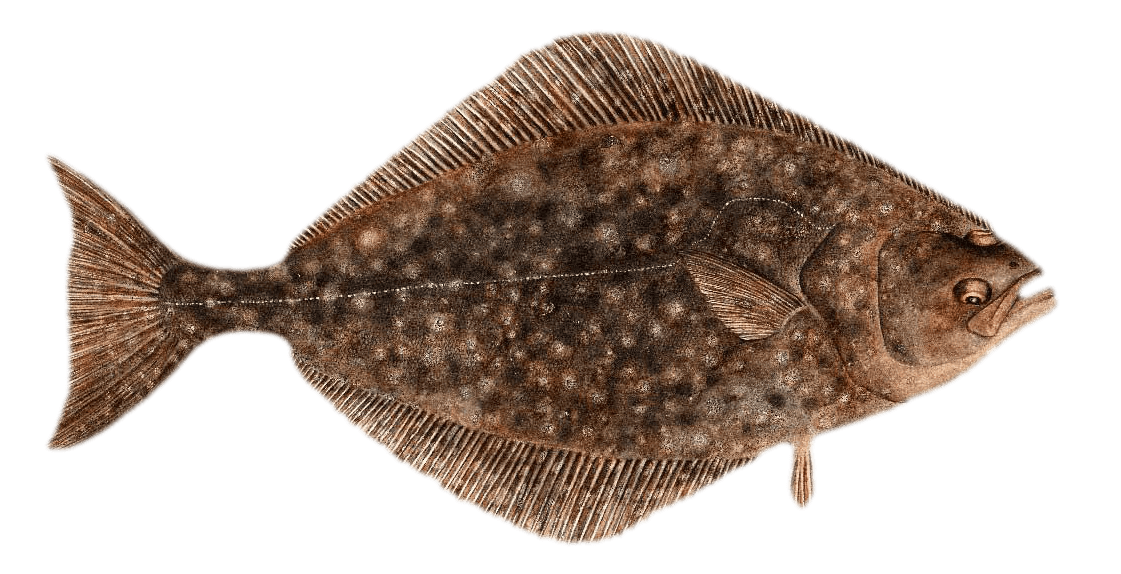
Pacific Halibut
Pacific halibut are the giants of the flatfish world, and we see plenty of good-sized fish in Neah Bay's deep waters. Most of what we catch runs 20-40 pounds, but don't be surprised if you hook into something over 100. These diamond-shaped bottom dwellers live in 150-500 feet of water on sandy and muddy bottoms where they ambush everything from cod to salmon. Summer months are prime time when they move up from the depths to feed actively. What makes halibut special is the combination of great eating and solid fights - they're bulldogs once hooked. The meat is firm, white, and mild. Here's a local tip: when you feel that first tap, don't set the hook right away. Let them chew on it for a few seconds, then lift steady and firm.
About the Ripple Effects Charters
%2F%2Fusers%2Fcd69a593-7f0d-4648-9fed-f735cc977754%2Fvehicle_picture%2Frippleeffectschartersboat-1-mlivtiv8.jpg&w=1920&q=75)
Vehicle Guest Capacity: 6
Manufacturer Name: Suzuki
Maximum Cruising Speed: 40
Number of Engines: 2
Horsepower per Engine: 250